
Archive for March 2009
Starting Your Cool-Season Vegetable Garden in Seattle
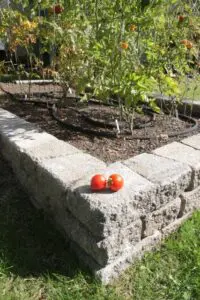
The weekend brought a fair amount of snow to the lowland areas of the Puget Sound, but there was still enough breaks of sunshine and warmth to think about starting your vegetable garden. This is a great time to plant some cool season crops, or vegetable plants that are best suited for cooler temperatures, an average of 50 to 65 degree F. Cool season crops include beets, lettuce, collards, radish, peas, leeks and spinach and…
Read MoreTree-topping madness
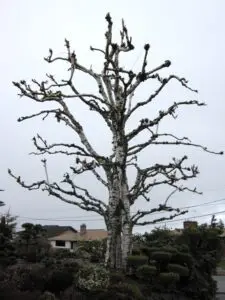
You’ve seen these topped trees in your neighborhood: trees that branch out into the sky, only to be unceremoniously hacked across the top, a headless shell of its former shelf. Or trees with absolutely no leaves or no branches, or ones whose amputated branches are replaced with a broomstick mess of sprouts. Not only is topping trees ugly, it can also greatly reduce tree life and health. Plant Amnesty, a non-profit based in Seattle, has…
Read MoreGardening calendar: March
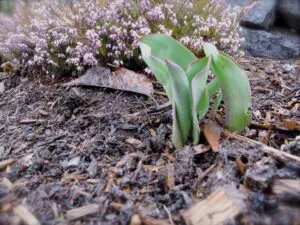
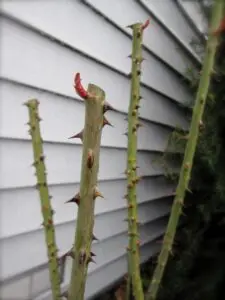
While the weather is still fickle in March, the days are starting to feel longer and the temperatures are starting to warm up. There’s lots yet to do in the garden. 1. If you haven’t completed pruning your roses, this is is the month to do it. 2. It’s also a good time to divide overgrown perennials and rearrange and move existing plants. 3. Thatch, aerate, top dress and over seed your lawn from late…
Read MoreHow to Improve Lawn Health: De-Thatching, Aeration, and Top Dressing Explained
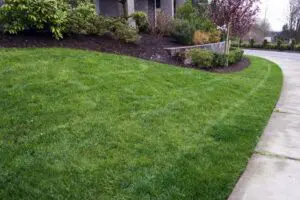
Proper lawn maintenance and lawn care is one of the best ways to keep your lawn healthy and green, while minimizing weeds. This means assessing the condition of your lawn, and deciding whether de-thatching, aerating and overdressing can help improve its condition. De-thatching. Thatch is a dense layer of dead and living organic matter that separates grass from the soil surface underneath it. A 1/2-inch layer shouldn’t be a problem, but any thicker than that…
Read MoreGardening calendar: February
February is a tough month for gardeners in the Northwest. We have our share of sunny, blue-sky days, but rain, snow and perpetual dreariness can sometimes make getting out in the yard difficult. February is a good month to get started on some yard chores that will make the rest of the year easier, especially weed pulling. Here are 8 things you can do in your yard this month. 1. Pull winter weeds. The Ecoyards…
Read MorePlanting Peas in the Northwest: Timing, Tips, and Best Virus-Resistant Varieties
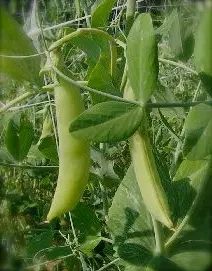
There’s an old saying in the Northwest that says you should plant peas by President’s Day. But if you haven’t gotten around to it, March is a great time to do it. (April is fine, too, but by then try to plant virus-resistant varieties. Peas grown in warmer weather are susceptible to pea enation, a virus transmitted by aphids that appear once the weather warms up). Peas are a cool season crop that, for me,…
Read More